A Journey Through Graphic Design
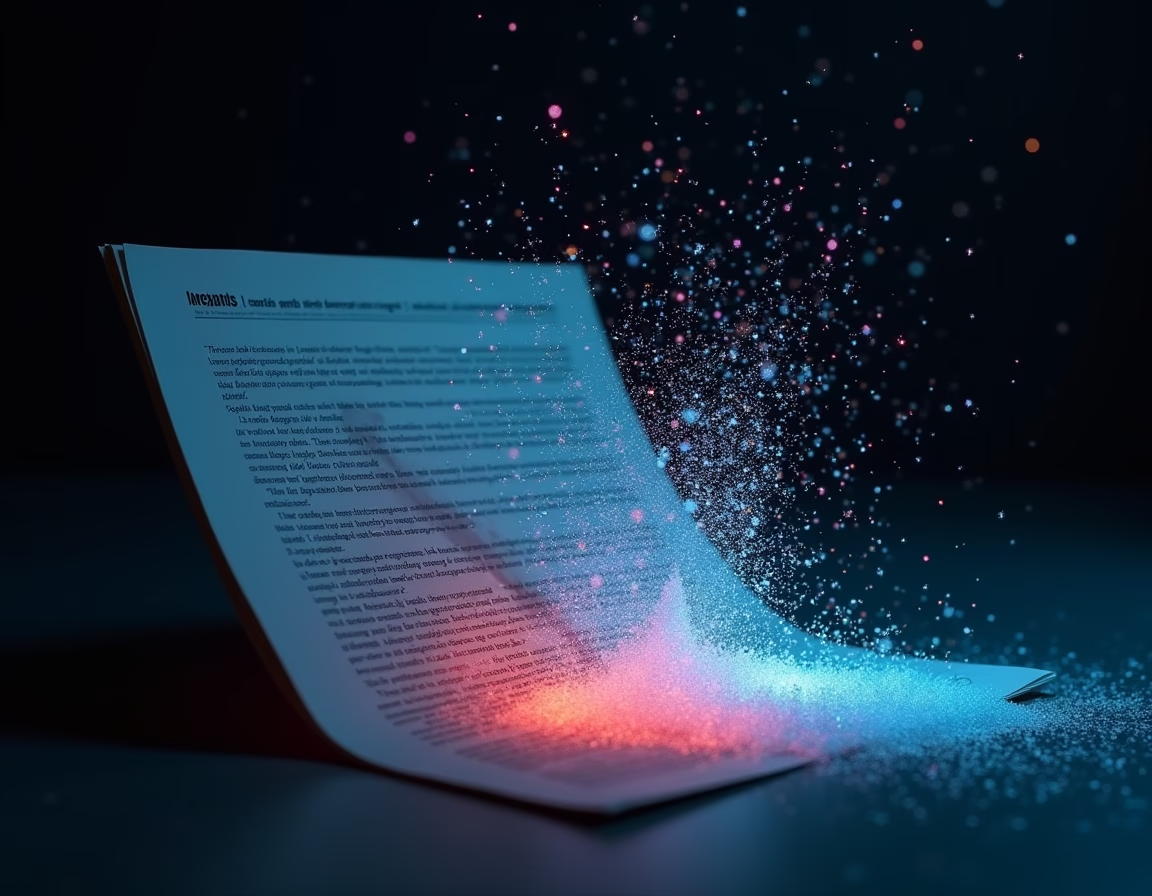
Graphic design has come a long way from the days of hand-drawn illustrations and printed materials to today’s dynamic digital creations. This evolution not only reflects technological advancements but also changing consumer expectations. Understanding this journey provides valuable insights into where the industry is headed and how brands can stay ahead.
The Early Days: Print-Centric Design
- Foundations in Print: Historically, graphic design was synonymous with print media. Designers focused on creating visually appealing layouts for newspapers, magazines, and posters using limited color palettes and manual techniques.
- Tools of the Trade: Traditional tools such as pencils, inks, and printing presses were the primary instruments. The tactile nature of print design established fundamental principles like composition, balance, and typography that still influence modern design.
The Digital Revolution: Redefining Creativity
- Rise of Digital Tools: The advent of computers and design software, such as Adobe Creative Suite and CorelDRAW, transformed the creative process. Designers could now experiment with colors, fonts, and layouts with unprecedented ease and precision.
- Shift to Digital Media: As the internet and mobile devices became ubiquitous, digital design took center stage. Websites, social media, and digital advertising emerged as key platforms, requiring new design strategies and technical skills.
- Interactivity and Animation: Digital design introduced interactive elements and motion graphics. Designers now create engaging experiences through animation and video, taking user interaction to new heights.
Modern Trends: Blending Print and Digital
- Hybrid Designs: Today, many brands seamlessly blend print and digital design. A cohesive visual identity across all channels reinforces brand recognition and customer trust.
- Emphasis on User Experience: Modern design is driven by user experience (UX) principles. Designers focus on creating intuitive, accessible, and responsive layouts that cater to diverse audiences across various devices.
- Sustainability and Minimalism: With digital transformation comes a trend towards minimalist design and sustainable practices. Clean, uncluttered visuals paired with efficient digital workflows are becoming the norm.
The Future of Graphic Design: What’s Next?
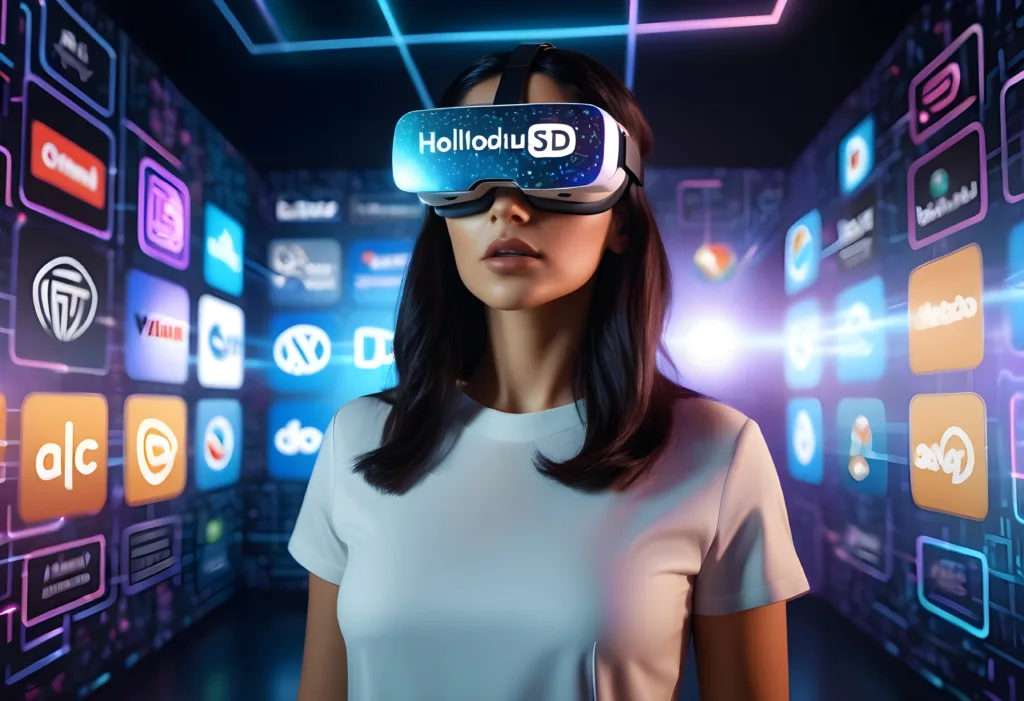
- Technological Advancements: Emerging technologies like augmented reality (AR) and virtual reality (VR) are set to redefine how we interact with graphic design. These tools will enable immersive experiences that blur the lines between physical and digital realities.
- Artificial Intelligence Integration: AI is already beginning to influence design workflows. From automating routine tasks to offering creative insights, AI-powered tools are expected to further streamline the creative process. AI design tools are making the design industry smoother and opening a huge door of creativity. In the near future, you won’t even be able to think of a design made without using an AI tool.
- Evolving Aesthetics: As design trends continue to evolve, the focus will remain on creating personalized, user-centric experiences. Designers will increasingly leverage data-driven insights to craft visuals that resonate with specific audiences.
Learn more about Types of Logos: What Works Best in Today’s Market
Embracing the Digital Future
The evolution of graphic design from print to digital has revolutionized the way brands communicate visually. As technology advances, designers must adapt and innovate to meet the changing demands of the digital era. By embracing the latest trends and tools, brands can create compelling, integrated experiences that captivate audiences and drive engagement.

December 31, 2025
Top Restaurant Colors to Boost Appetite and Increase...
December 31, 2025